Dr. Stephanie's assessment
Your Gut Health Score™
A calmer, more elegant way to understand what your gut may be asking for first, with immediate results on screen.
Educational wellness assessment. Not intended to diagnose or treat a medical condition.

Included
2-minute assessment
Fast, elegant, and easy to finish
Included
Personalized gut pattern
See what may be repeating most
Included
Supplement-style guidance
Support-focused, not fear-focused
Included
Dr. Stephanie's lens
Medical calm with practical next steps
Why this matters
A premium, clearer path from symptoms to support
This page should not feel like a medical intake form or a children's worksheet. It should feel like a clean, elevated explanation of what your body may be asking for, and a smarter way to decide where to begin.
Common reasons people take this
When you take the score
What you get is clarity, not clutter.
This is designed to help you decide where to focus your daily support, not send you into another spiral of guessing.
01
Your overall score
A simple number that helps you see the bigger picture, not just one symptom.
02
Your gut pattern
A clearer label for the type of support your body may be asking for most right now.
03
Your lowest support area
Quick insight into which category may deserve your attention first.
04
Your next best step
A calmer place to begin so your routine feels intentional, not random.
What you'll learn
Digestive comfort
Understand whether bloating, reflux, pressure, and food-related discomfort may be part of your pattern.
What you'll learn
Bathroom patterns
See whether regularity, complete emptying, and day-to-day comfort deserve more attention.
What you'll learn
Support strategy
See whether your current daily support, supplement rhythm, and gut-care habits are actually helping.
What you'll learn
Stress + lifestyle
Notice how stress, sleep, and energy patterns may be shaping the way your digestion feels.
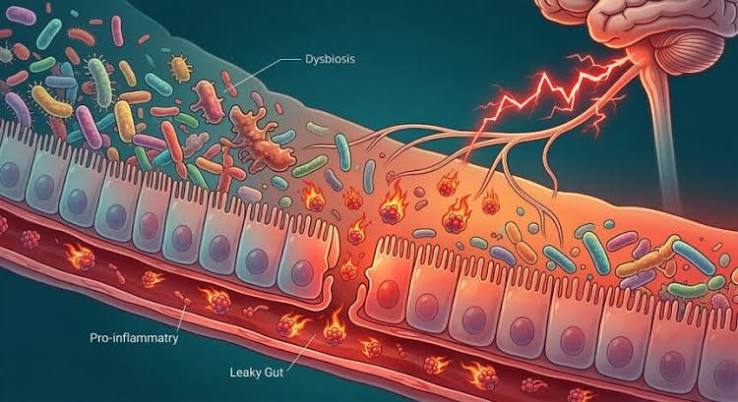
How gut health works
A clearer look at what your gut is trying to do each day
01
Eat
Food enters and starts breaking down.
02
Digest
Acid, enzymes, and bile help process the meal.
03
Absorb
The small intestine pulls nutrients inward.
04
Eliminate
The colon shapes waste and regularity.
What shapes the gut barrier
Your gut lining is affected by more than food alone
Barrier function is influenced by stress load, sleep, inflammation, medication patterns, hydration, food variety, and overall recovery. That is why the score looks at habits, not just symptoms.
Stress
Sleep
Food quality
Hydration
What the score looks at
This is not guesswork. It is a structured look at the patterns people notice most.
The Gut Health Score looks at four core areas: digestion, regularity, microbiome and support strategy, and gut-brain plus lifestyle patterns.
That means we are not only asking whether you have symptoms. We are also looking at whether your current routine is actually supporting the kind of steadiness you want from a daily gut-health plan.
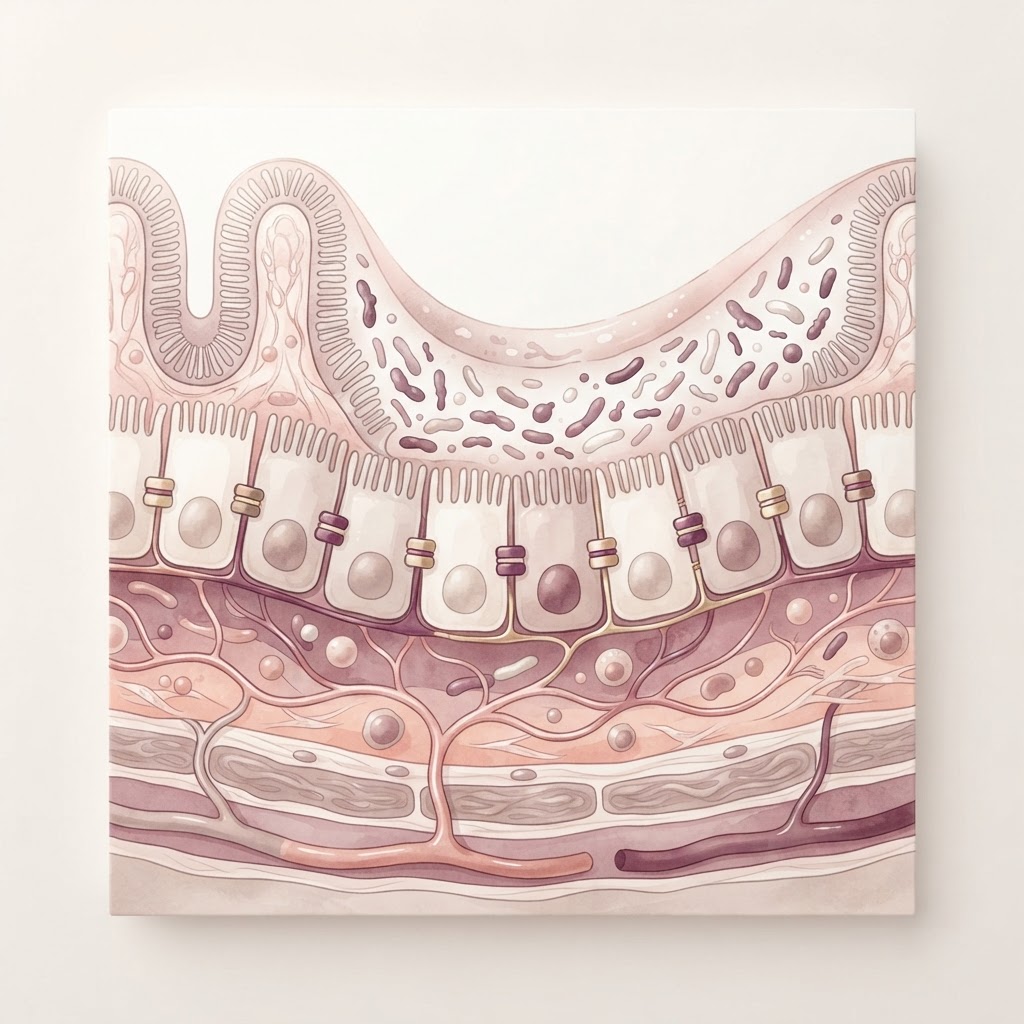
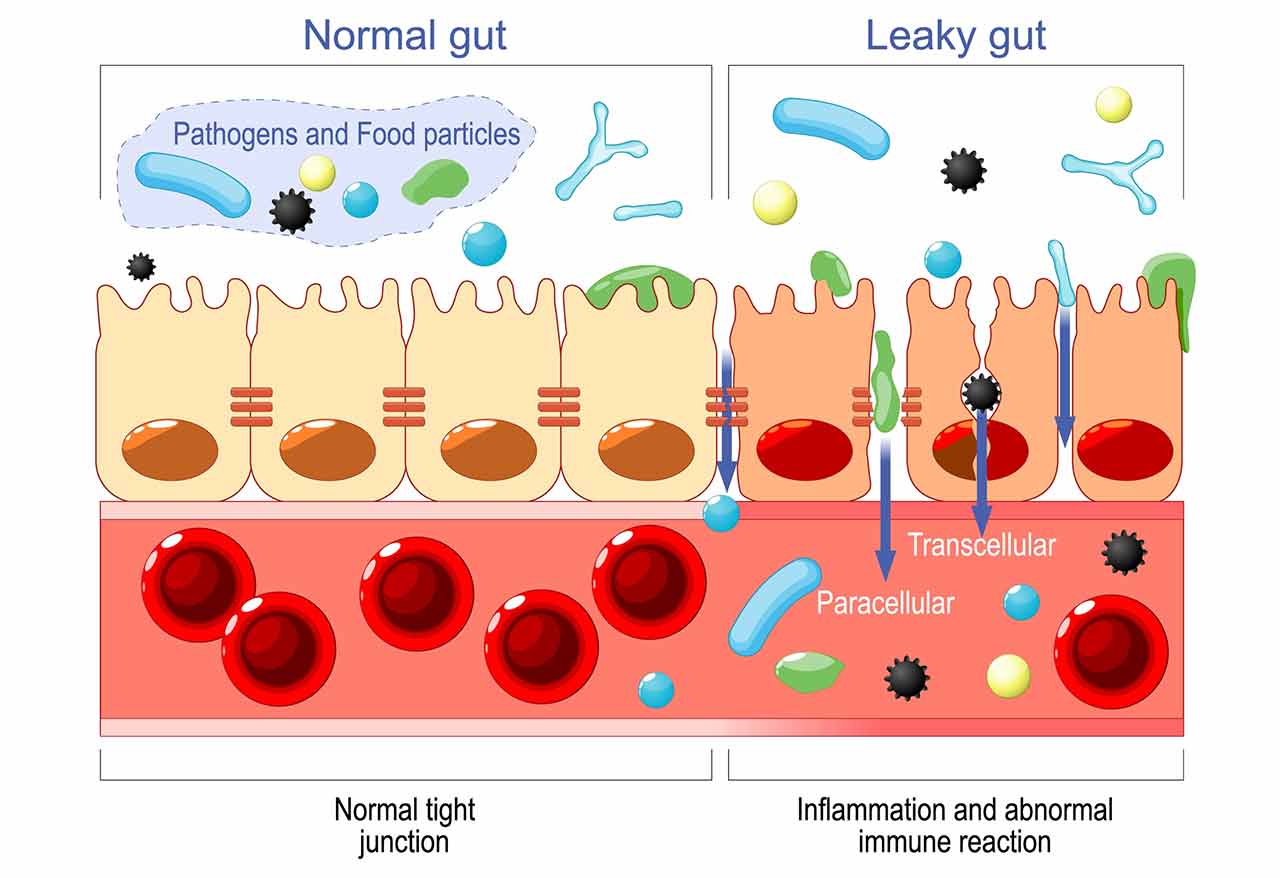
Permeability and the gut lining
Your gut lining is meant to be selective, not careless.
The intestinal lining acts as a barrier between what stays inside the digestive tract and what your body absorbs. People often call this “gut permeability” or “leaky gut,” but that language can flatten a much more nuanced conversation.
Stress, infection, medications, sleep disruption, dietary patterns, and other health issues can all influence the gut environment and barrier function. That does not mean an online quiz can diagnose a condition. It means symptoms and habits deserve context.
Why symptoms keep repeating
Your digestion does not exist in isolation from your routine, stress load, or daily support plan.
Stress, sleep quality, hydration, movement, nervous-system load, and consistency all shape how your digestion feels from one season to the next.
That is why the score includes more than symptom questions. Sometimes the next best step is not another random product. It is a cleaner, more intentional routine that actually fits your life.

A note from Dr. Stephanie
I would rather give you one clear starting point than ten overwhelming rules.
When I look at gut symptoms, I am not interested in making women afraid of food or sending them down endless rabbit holes. I want to know what their body keeps repeating, what habits are missing, and what change would actually help them feel better first.
That is why this score gives you a pattern, a breakdown, and a practical place to begin.
- Start with your lowest-scoring area instead of changing everything at once.
- Build a calmer routine around consistency, recovery, hydration, and support you will actually keep using.
- Use supplements to support the plan, not to replace the basics your body still needs.
Ready to see your pattern?
Stop guessing. See your pattern and know where to start.
Start with clarity, not clutter. Start with a better support decision. Start with the area your body may be asking you to pay attention to first.
Discover My Gut Health Score →Please get medical care promptly if you have
This assessment is educational wellness content only. It is not intended to diagnose leaky gut, dysbiosis, IBS, SIBO, microbiome imbalance, food intolerance, or any disease. Persistent or concerning symptoms should be discussed with an appropriate healthcare professional.